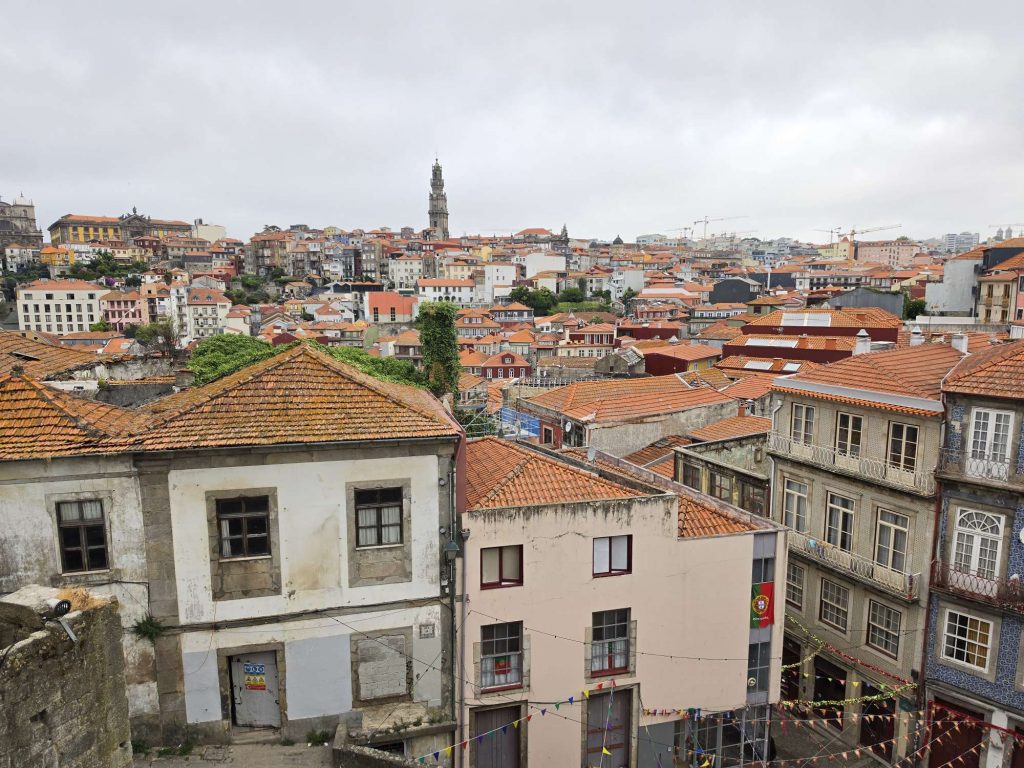
Porto is a really interesting city and there’s so much to learn. The spire in the background is the Clerigos Church. It serves as a symbol of Porto. It was fun to see it from so many different places!
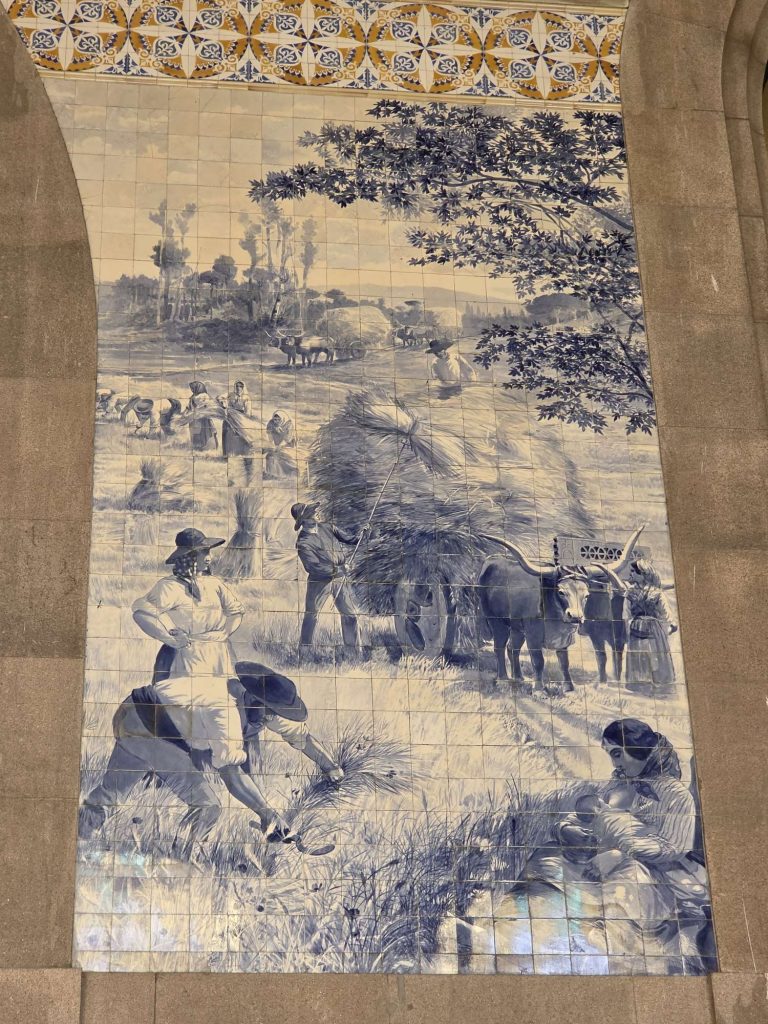
We spent some time at the train station with it’s famous tile paintings that depict the story of Porto: staring from caravan weddings, harvests of wheat and grapes for wine, and evolving into use of trains.
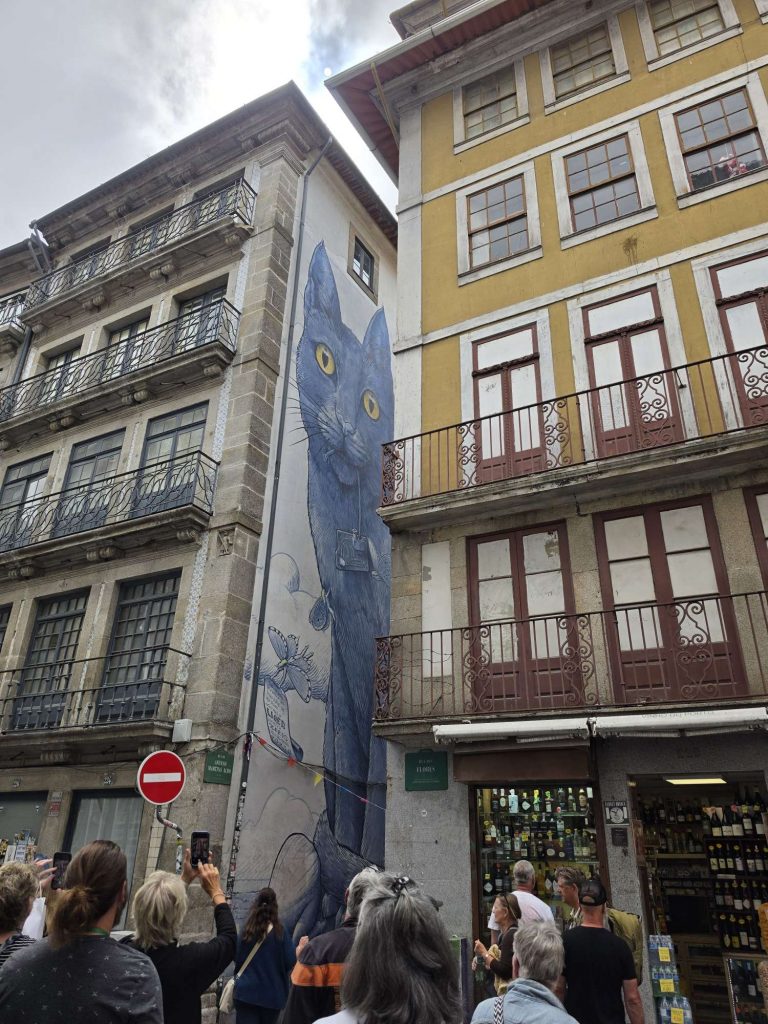
We also took a walk down flower street which is known for artisans creating and selling works in gold filigree, among other things. This cat mural was one (famous) example of Porto’s attempt to embrace the arts and was done by a local artist. Many electric boxes were also painted.
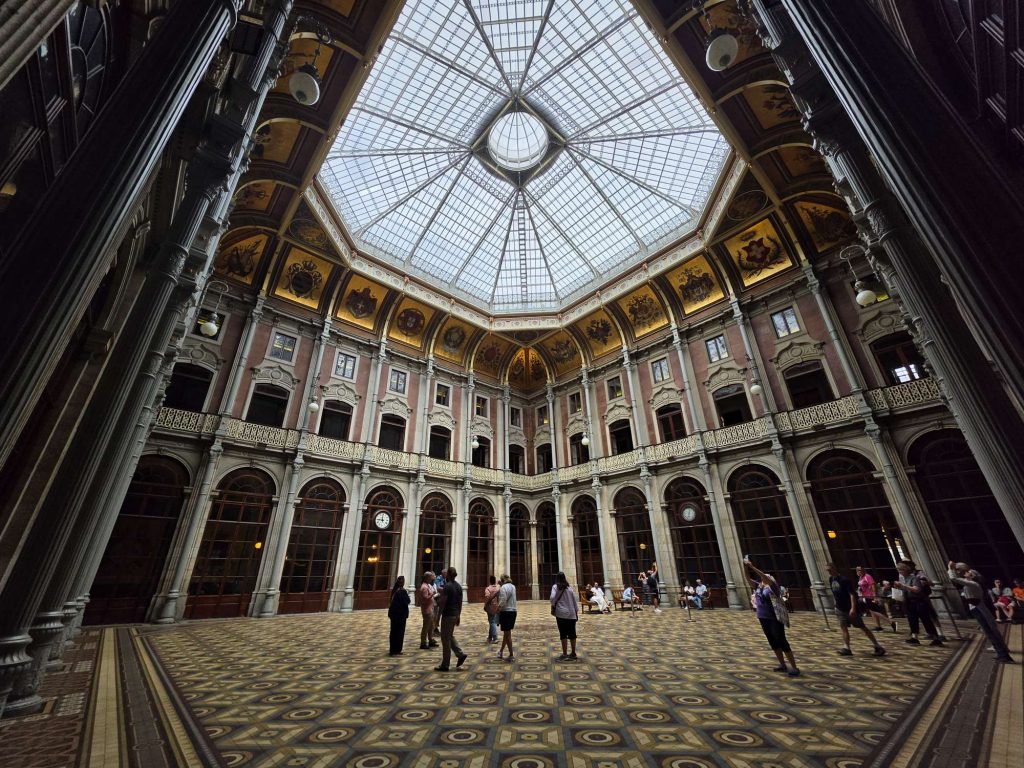
The Porto Stock Exchange- which is really more of a Chamber of Commerce- was only really used for exchanging stocks ages ago. It is a gorgeous building. This entry room is decorated with gold leaf crests of the countries they were in trade alliances with. The tile floor was inspired by the floors discovered in Pompei.
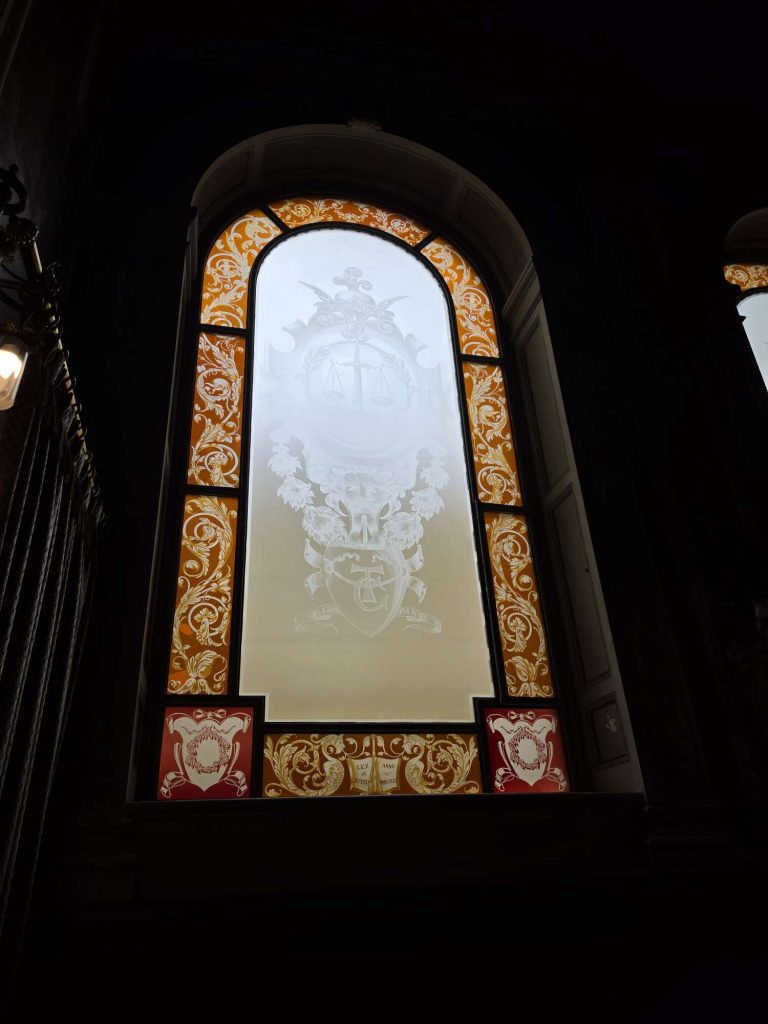
The room where commerce disputes were managed had beautiful frescos and stained glass windows.
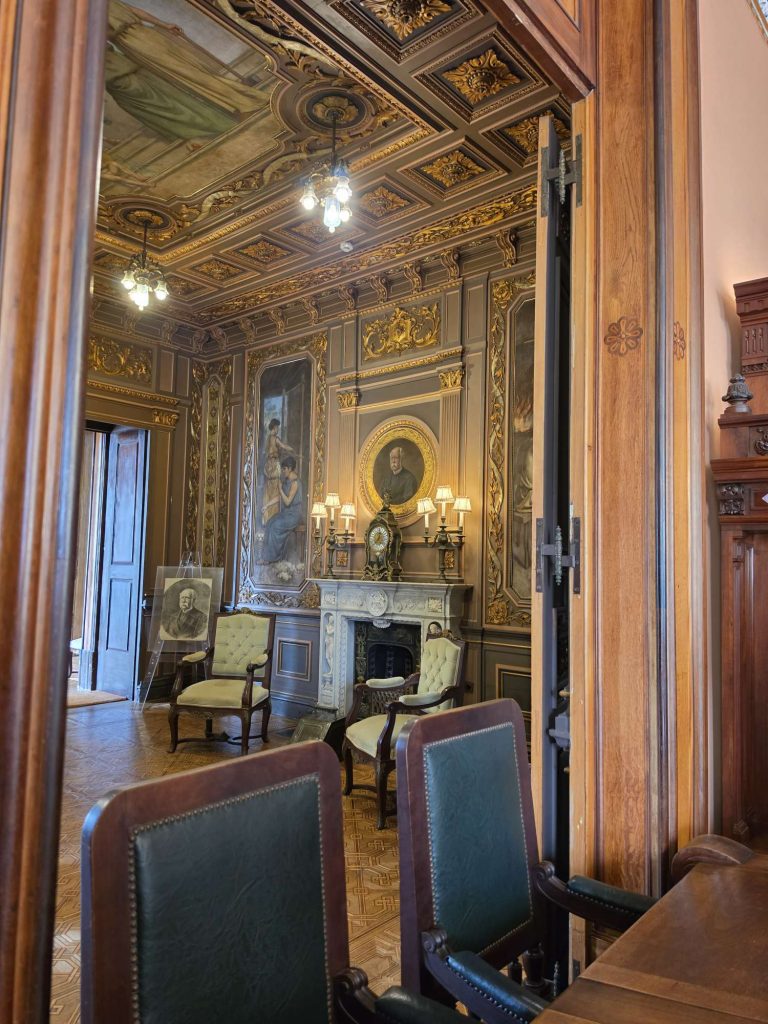
Other rooms which are used as offices had walls decorated with tapestries of Roman iconography. They are so detailed, they look like paintings.
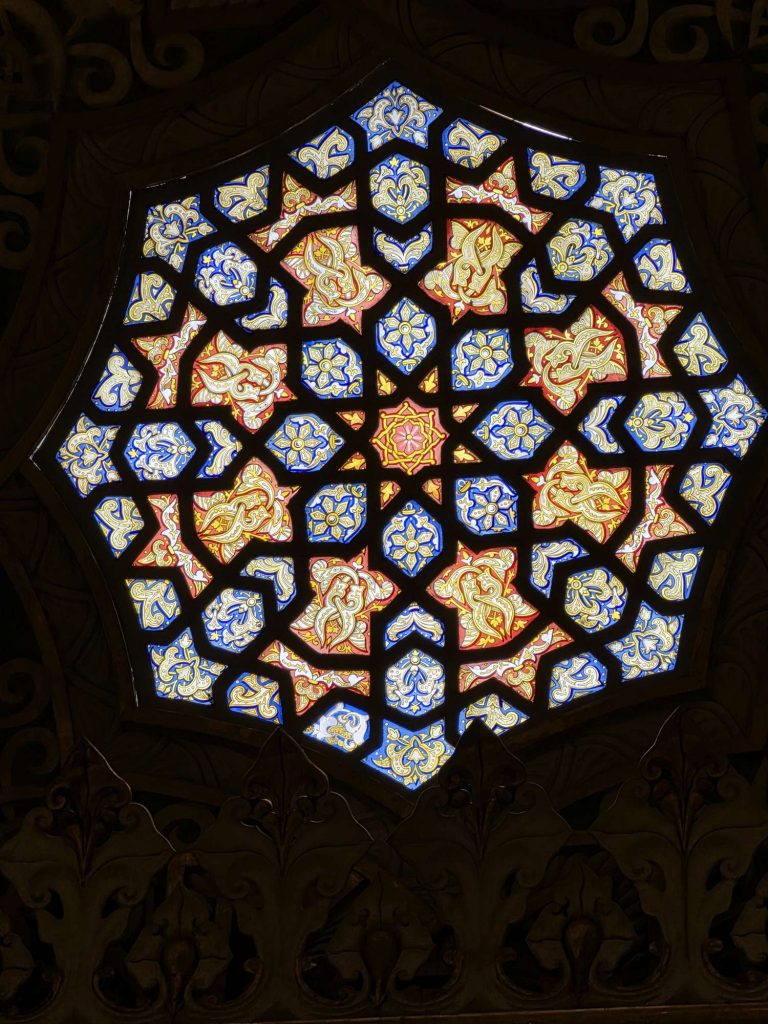
The biggest draw and, hands down, my favorite room was the last large room decorated in a Persian style and dedicated to the King’s daughter at the time.
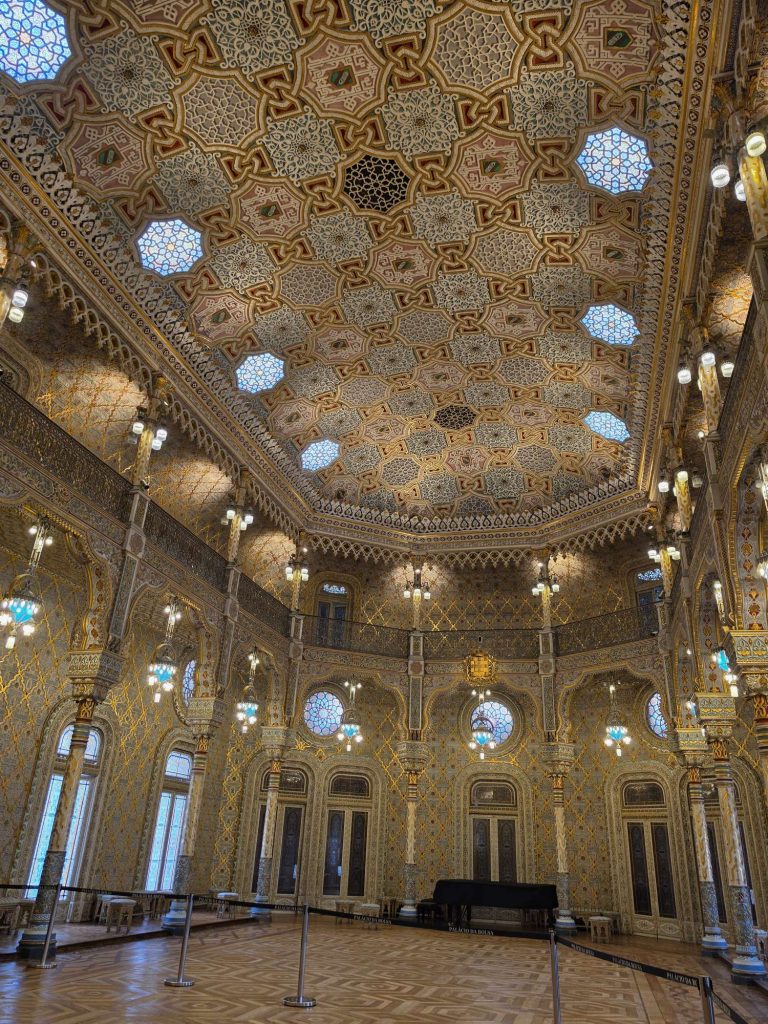
Pictires just don’t do this room justice. It is a sight that needs to be seen for yourself. There is gold leaf everywhere and inscriptions in Arabic dedicated to the King’s daughter, commerce, and harmony. Now, they hold piano concerts in this room often to compliment the wonderful acoustics.
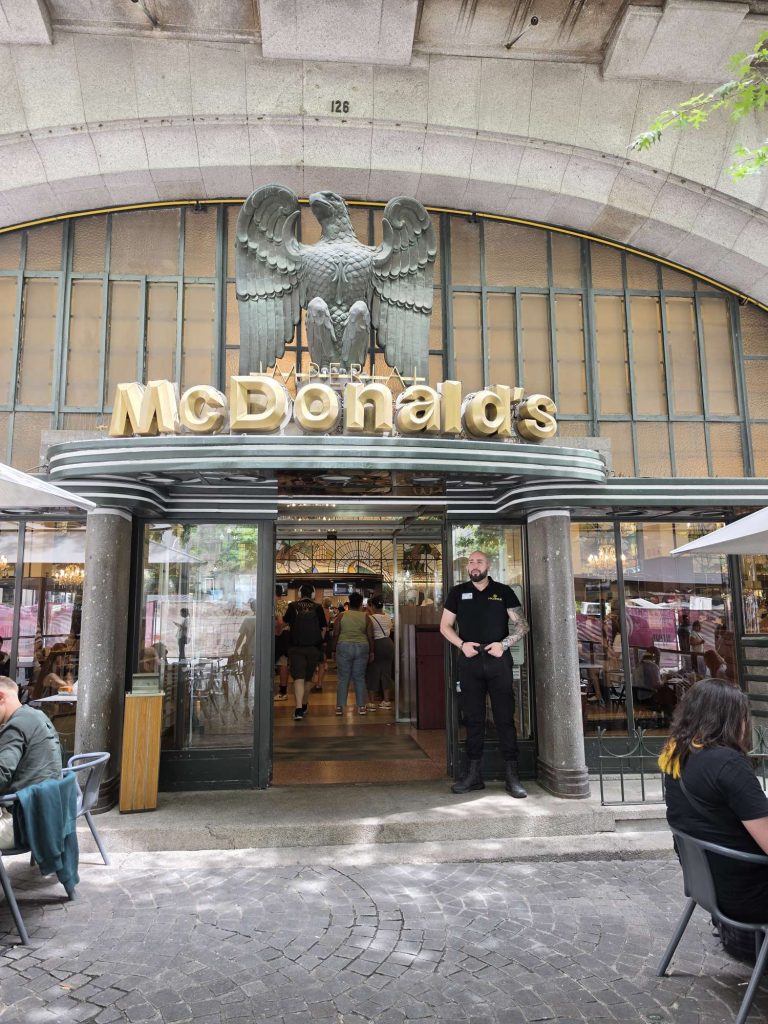
Porto is also home of the only Imperial McDonald’s. We just took a picture -the food here is too good to waste precious stomach space on McDonald’s. The buildings here are legally required to remain in the style and form in which they were originally created -Porto has mandated that buildings purchased be restored, not demolished and built over – to preserve their architectural history. So, when McDonald’s bought this Imperial building, they were required to keep it’s structure, inside and out.